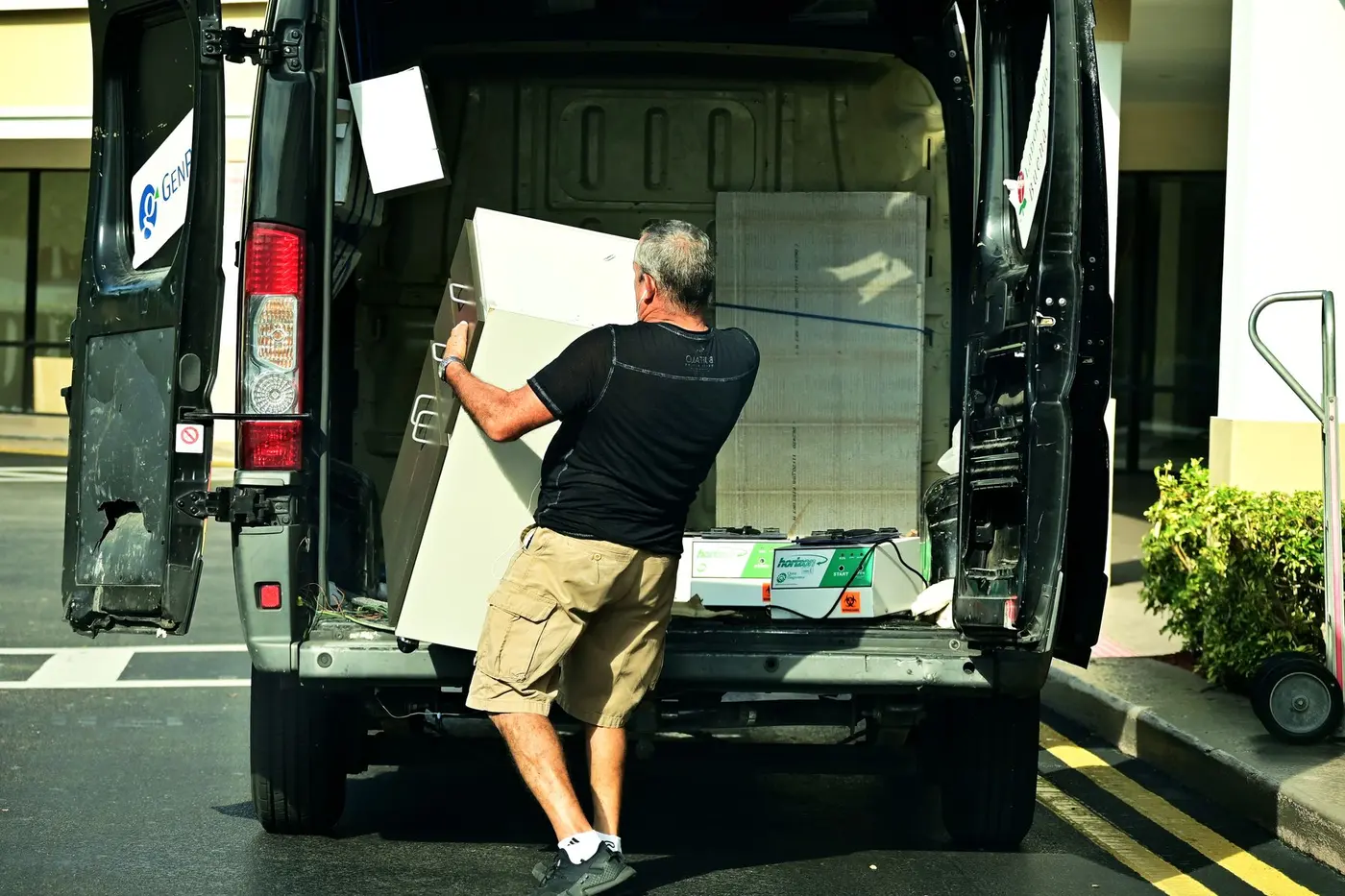
Junk removal companies take almost anything a household produces that is not hazardous — furniture, mattresses, appliances, electronics, garden and balcony items, and the accumulated clutter that fills a storeroom. The short answer is more than most people expect. The useful answer is knowing which items need to be mentioned in advance, and why a small number of things travel on their own route rather than stacked in with the sofa.
The rule that decides what goes in a general load
An item belongs in a general household load when three things are true: it came out of a home, two people with equipment can handle it safely, and it does not need specialist processing at the other end.
Nearly everything in a Dubai flat or villa passes that test. The exceptions are short, and they are exceptions of routing rather than refusal — those items still leave your home, they simply travel separately.
Room by room, what actually goes
The quickest way to settle whether something will be taken is to walk the home the way a crew does, one space at a time.
Living areas and bedrooms
- Sofas, armchairs, corner suites and sofa beds, whole or in sections.
- Wardrobes, chests of drawers, dressing tables and bedside units.
- Bed frames, headboards, slats and mattresses of every size.
- Dining tables, chairs, sideboards, display units and coffee tables.
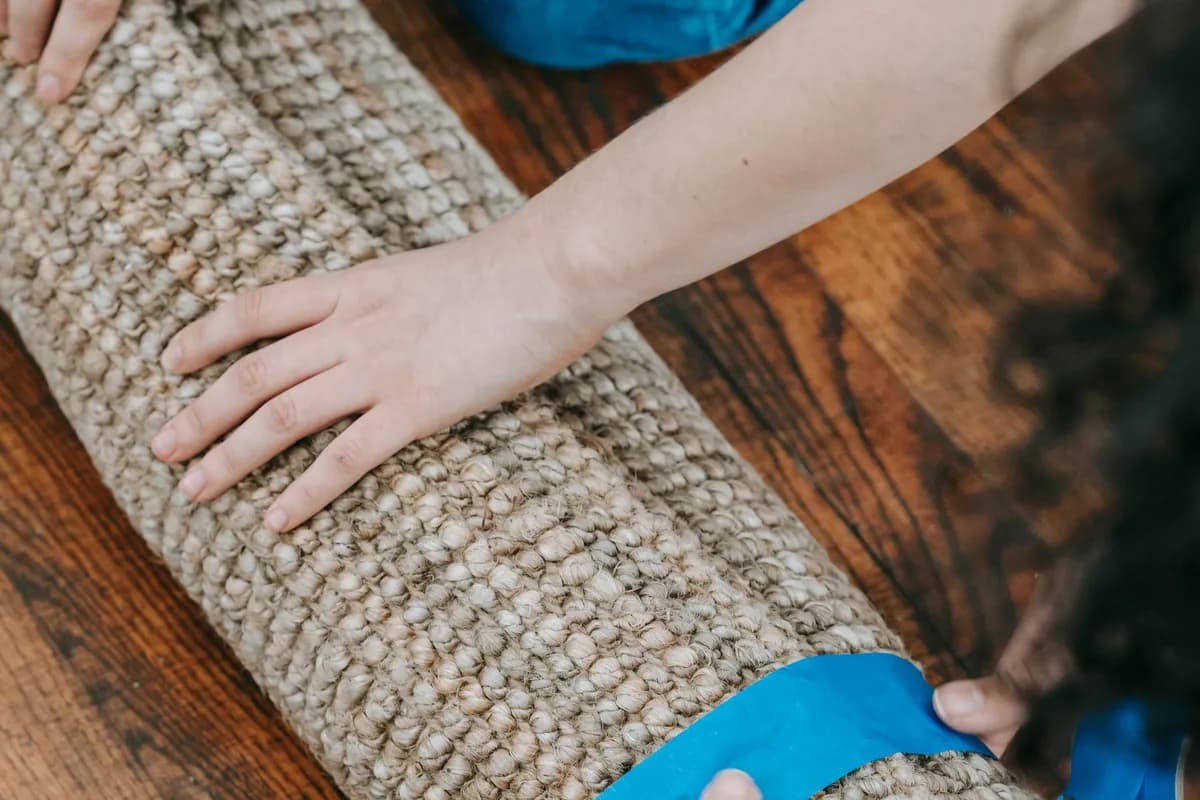
- Rugs, carpets, curtains, blinds and curtain rails.
- Lamps, mirrors, framed pictures, artificial plants and general decoration.
Kitchens and bathrooms
- Freestanding cookers and ovens, microwaves, kettles and countertop appliances.
- Washing machines, dryers and dishwashers, once they have been disconnected.
- Crockery, glassware, pots, pans and utensils, boxed or bagged.
- Freestanding shelving, storage trolleys, bins and laundry baskets.
- Bathroom cabinets, mirrors, shower screens once removed, and unused toiletries and towels.
Home offices and electronics
- Desks, office chairs, filing cabinets and bookshelves.
- Televisions, monitors, printers, speakers and games consoles.
- Computers, laptops and tablets, once you have removed or wiped anything personal.
- Cables, chargers, routers and the drawer of adapters nobody can identify.
- Books, files and paperwork in ordinary household quantities.
Balconies, gardens and storerooms
- Outdoor tables, chairs, loungers, parasols and shade netting.
- Planters, artificial grass, deck tiles and drying racks.
- Bicycles, scooters, sports gear and home gym equipment.
- Luggage, packing cartons, bubble wrap and leftover moving materials.
- Children's toys, prams, car seats and play equipment.
Does condition change the answer?
Not to whether an item is taken — only to where it goes afterwards. A solid wardrobe and a collapsed one both leave your home the same way, in the same load, and are separated later.
That is worth knowing because people hold on to perfectly good furniture out of guilt, waiting for a buyer who never appears, and end up storing it for another year. If a piece is still in good order, say so at booking. It takes one sentence, and it changes what happens to the item rather than what you pay.
The items people are least sure about
A handful of things come up in almost every enquiry. All of them are collected; each carries a condition worth knowing.
- Used mattresses. Taken as standard. Mention any pest or fluid problem so the mattress can be wrapped before it travels through a shared corridor or lift.
- Safes, pianos, marble tops and gym weights. Taken, but they have to be named when you book so the right number of people and the right vehicle arrive.
- Fridges, freezers and air conditioners. Taken, on their own handling route because of the refrigerant sealed inside them.
- Food left in a fridge or freezer. Empty it beforehand — a warm appliance full of food becomes a different problem by the time it reaches the vehicle.
- Documents and paperwork. Taken without ceremony, but shred or remove anything sensitive yourself rather than relying on someone else to notice it.
- Anything sentimental you have not decided about. Keep it out of the room entirely on the day. Items get taken because they were standing with everything else, not because anyone chose them.
Where quantity changes the answer
The thing that genuinely changes what can go in a general load is usually not the type of item but how much of it there is.
A few electrical items from a flat travel with everything else. Twenty monitors from an office clear-out do not — that volume goes through its own stream. The same pattern applies to soil and plant pots, to books and files, and to packaging after a large delivery. Small amounts are ordinary household material; large amounts become their own job, with their own vehicle.
If you are clearing a whole property rather than a single room, describe the categories as well as the volume. A crew told there are three appliances, a storeroom of paint tins and a room of paperwork plans a very different day from one expecting furniture.
What to mention rather than leave to be found
A few categories need their own handling and cannot simply be tucked into a general load: anything containing refrigerant, anything pressurised, anything chemical, and batteries. None of it stops the job. It just needs arranging in advance rather than being discovered halfway through loading, when half the vehicle is already packed.
The fuller question of what a company will not take, and what to do with those items instead, is its own subject and deserves more than a footnote here.
The practical answer
For nearly every Dubai home the honest answer is: almost everything inside it, from a three-seat sofa down to the drawer of dead chargers. The categories worth a sentence when you book are the heavy ones, the refrigerated ones, and anything you have a lot of — those change the vehicle and the crew rather than whether the job can be done at all. Everything else you can simply point at on the day.