There is no standard junk removal truck in Dubai. Depending on the operator and the job, what pulls up outside your building might be a small pickup, a closed panel van, or a three-tonne box truck with a tail lift — and the difference decides whether your clear-out leaves in one trip or three. This guide covers which vehicles are actually in use here, what each can physically carry, and the access limits that catch people out.
What vehicle actually turns up
Most household collections in Dubai are handled by one of four vehicle types, and operators choose between them based on what you described when you booked.
- A small open pickup — quick through traffic, easy to park, suited to a few items or a single bulky piece.
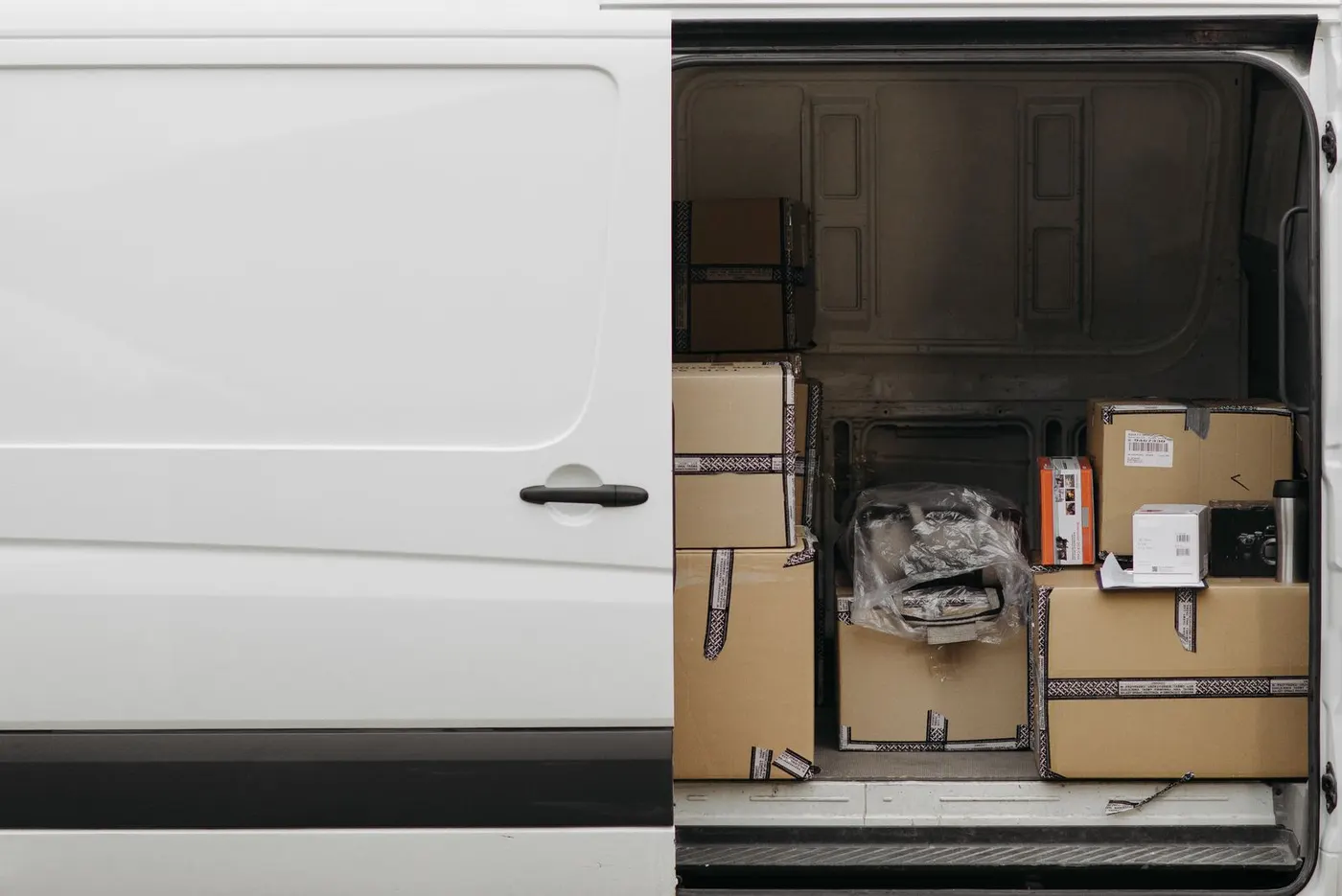
- A closed panel van — the common workhorse for apartment jobs, since a covered load handles dust and wind better and fits standard parking.
- An open-bed tipper — used where the load is awkward, dirty or long, such as timber, garden waste or renovation debris.
- A three-tonne box truck — the whole-home option, tall enough to stand furniture upright and often fitted with a tail lift.
This is why the details you give at booking matter more than they seem. A crew sent in a pickup for what turns out to be a two-bedroom clear-out cannot fix that on the day, and a box truck sent to a single-armchair job may not physically reach the collection point.
What actually fits inside
Capacity is about usable space once items are stacked, not about how many things you own. Height is the part people underestimate: a van with a low roof forces a wardrobe to travel flat, and a mattress laid flat can swallow the floor of a small vehicle on its own.
- A pickup typically takes a sofa or a few pieces of furniture, with anything tall having to lie down.
- A panel van handles a room's worth of mixed household items, though a tall wardrobe may need dismantling.
- A tipper carries long or irregular material well, since nothing has to fit through a door frame.
- A box truck takes upright furniture, appliances and stacked boxes together, which is what a whole-home job needs.
The practical rule is that large, rigid items set the capacity and everything soft fills the gaps around them. Count the wardrobes, sofas, beds and appliances first — those are what decide the vehicle. Bags and boxes rarely change the answer.
What a junk removal truck will take
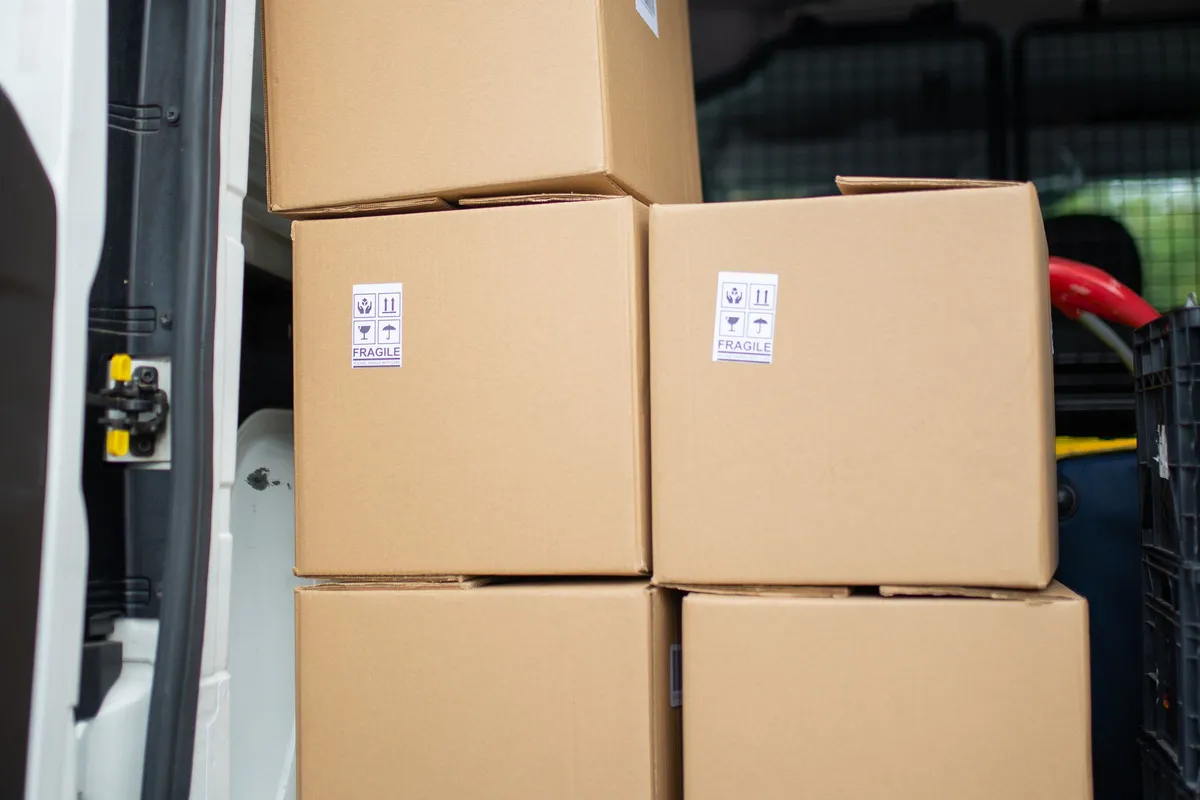
For a standard household collection, most of what a home produces can go in one general load:
- Furniture — sofas, wardrobes, beds, mattresses, dining sets, desks and shelving.
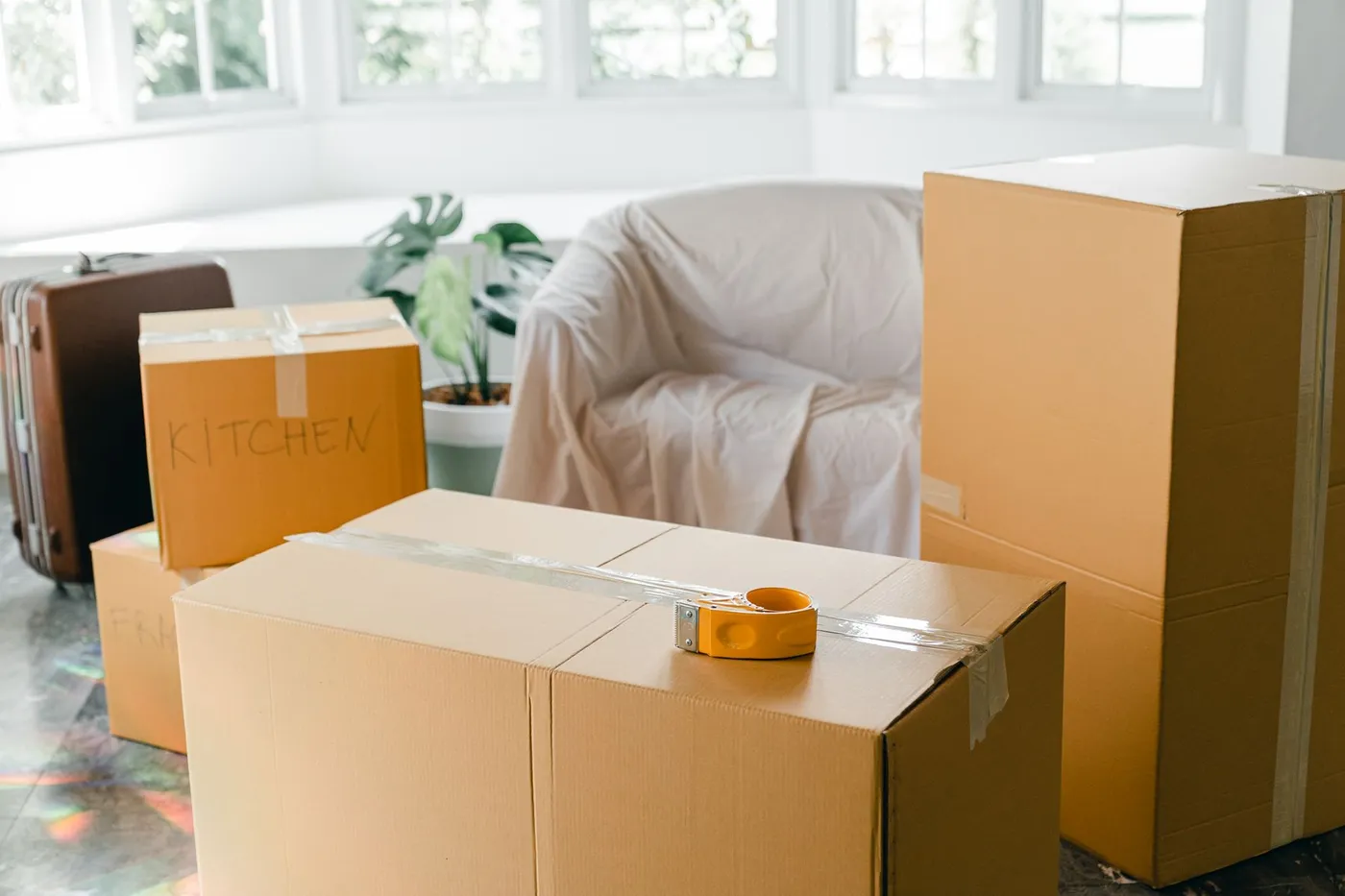
- General household clutter, bagged or boxed, from a room-by-room sort.
- Garden and balcony items such as outdoor furniture, planters and green waste.
- Renovation leftovers including packaging, offcuts, old fittings and stripped-out cabinetry.
- Office contents such as chairs, partitions, filing cabinets and desks.
What needs a different vehicle or a different route
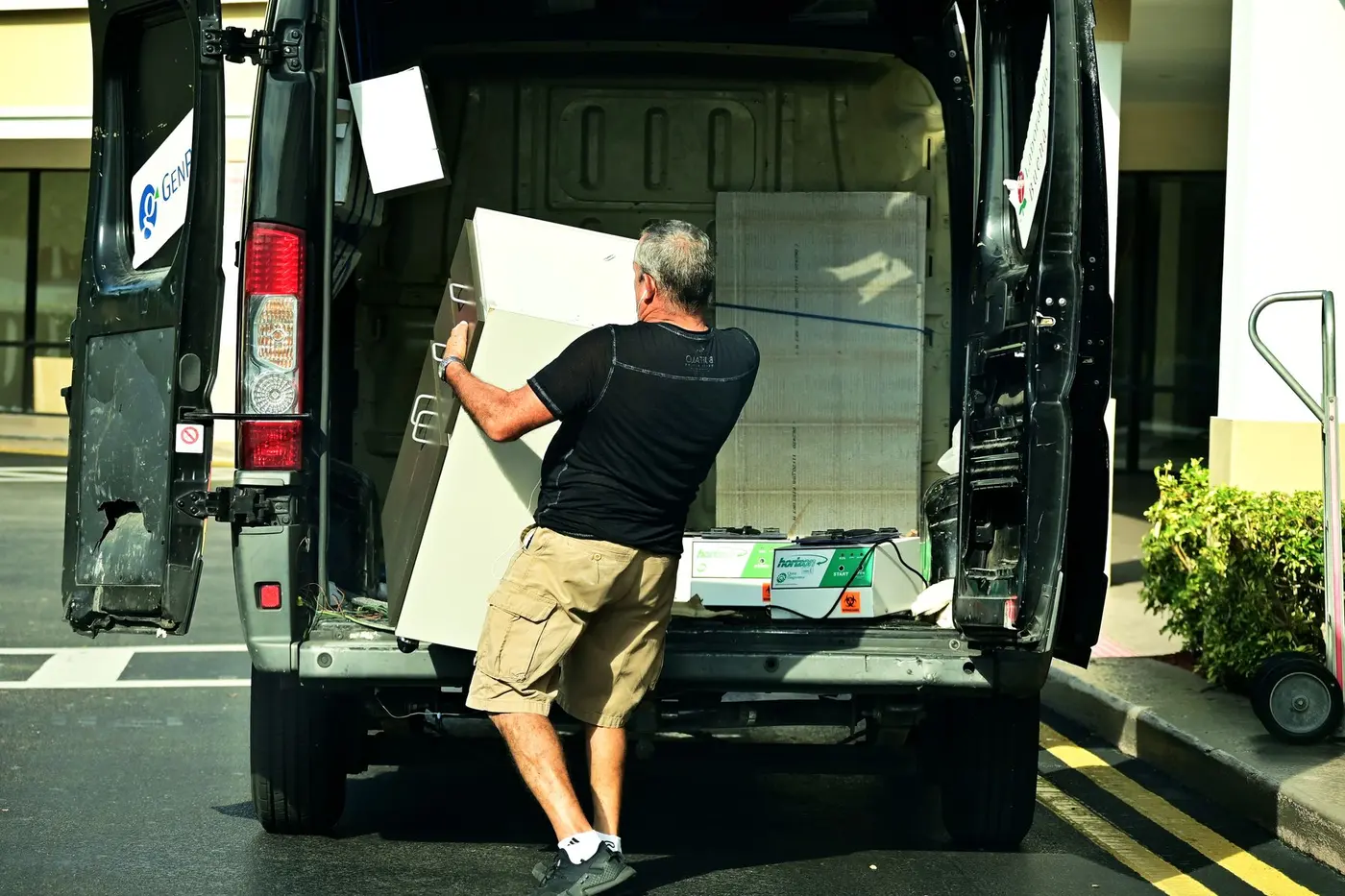
Some items don't belong in a mixed load, not because a truck couldn't lift them but because they have to be processed separately at the other end. Air-conditioning units and fridges are the clearest example in Dubai — both contain refrigerant gas and follow their own handling route rather than being tipped in with furniture.
- Air conditioners, fridges and freezers, which need refrigerant handled properly.
- Paint, solvents, adhesives and cleaning chemicals.
- Gas canisters and pressurised cylinders, which are not carried in a general load.
- Batteries, and appliances or tools with batteries still fitted.
- Electronics in bulk, which are typically processed through a separate stream.
None of this stops the job. It simply means telling the operator upfront so the right arrangements exist before the crew arrives, rather than discovering the problem when half the load is already stacked on the pavement.

When a truck fills up before it looks full
Vehicles have a legal weight limit as well as a physical volume, and dense material reaches the weight limit first. A load of tiles, concrete offcuts, sand bags or a well-stocked home library can bring a truck to its maximum while the cargo bay still looks half empty.
That is worth mentioning when you book a post-renovation clear-out in particular. Rubble behaves nothing like furniture, and a crew arriving in a vehicle chosen for wardrobes will not be able to take it away safely or legally.
Where the truck can actually park
The vehicle has to reach you, and in Dubai that is often the real constraint rather than capacity. Basement car parks are the classic trap: many are fitted with a height barrier that a box truck simply cannot pass, which means the load has to be carried up to street level instead.
- Check the height restriction on your building's parking entrance before assuming a large vehicle can get in.
- Ask whether there is a loading bay, and whether it needs to be reserved through building management.
- Note how far the nearest legal stopping point is from your door, since a long carry adds time to every trip.
- In gated villa communities, check whether the vehicle needs registering at the gate in advance.
- For a villa with a driveway, confirm the gate width if a large truck is being sent.
A crew that asks about parking height and carry distance before quoting is not being difficult. Those two details change the plan more than almost anything inside your flat does.
Is one truck going to be enough?
Work it out from the large items rather than from how cluttered the place feels. A single room with big furniture usually fits a van; a full apartment with appliances generally needs a box truck or a second trip; a villa clear-out with garden and storeroom contents frequently needs more than one load however it is packed.
If you are close to the boundary, photograph everything and let the operator make the call. Getting the vehicle right the first time is the difference between a crew finishing by lunchtime and a second visit tomorrow.
The short answer
The truck is not an incidental detail of a junk removal booking — it is the decision the whole job runs on. Count your bulky items, check the height barrier on the way into your car park, flag the fridge and the paint tins before anyone sets off, and the vehicle that arrives will be the one the job actually needs.