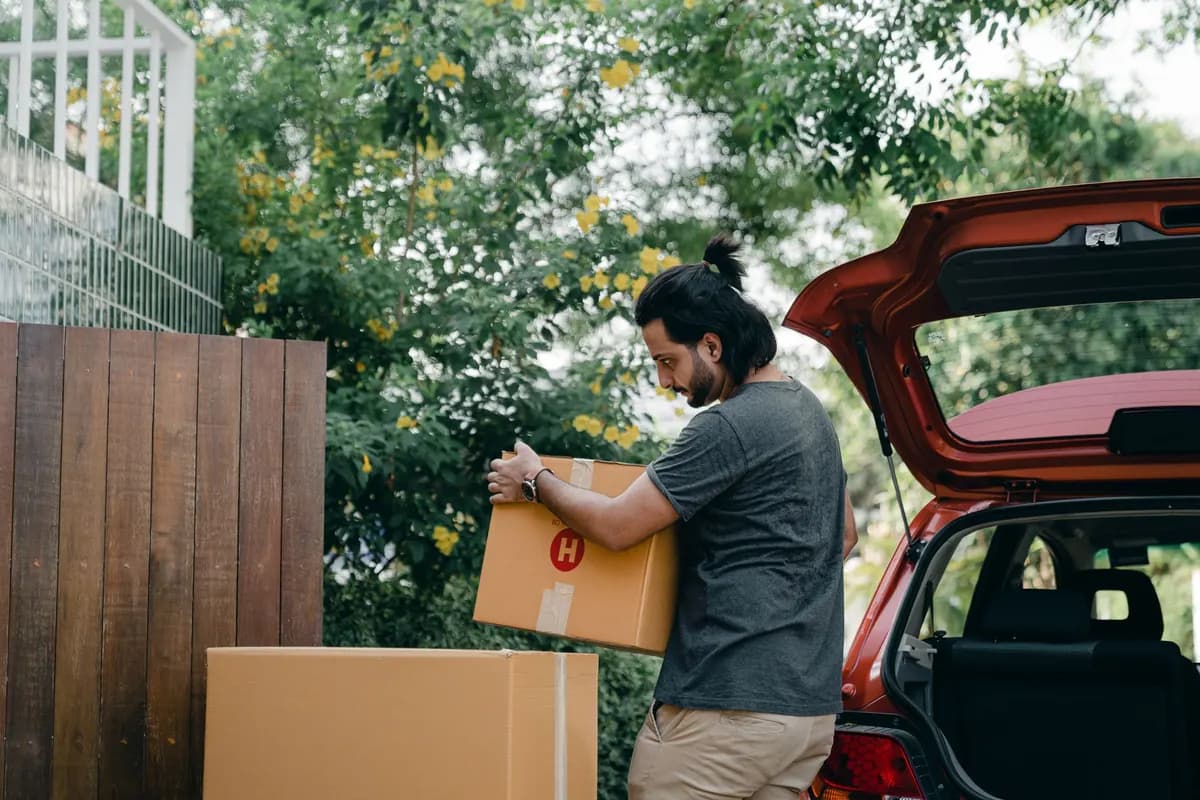
Doing a clear-out yourself makes sense when you have a suitable vehicle, a second pair of hands, somewhere the load can legitimately go, and a free day. Most households in Dubai have one or two of those, not all four — and the ones people forget are the last two. This guide sets out what a DIY clear-out actually involves here, where it genuinely saves money, and the point at which paying a crew stops being the expensive option.
What doing it yourself actually involves
The comparison most people make is a rental vehicle against a quote. The real comparison is the whole chain, because every link in it is yours.
- Sorting and gathering everything into one place, which is the part that always takes longer than planned.
- Getting each item out of the property — down a stairwell, into a service lift, or through a front door it may not fit through whole.
- Sourcing a vehicle that will actually take it, and getting it to where you can load.
- Loading, securing the load, and repeating that for every trip the volume needs.
- Finding somewhere that will accept the material, and getting there while it is open.
- Unloading at the other end, then returning the vehicle and cleaning it out.
Written out, it stops looking like an afternoon. A single wardrobe and a mattress is a manageable job. A spare room's contents is a day, and usually more than one trip.
The vehicle is the first thing that stops people
Most residents here drive a saloon or a mid-size SUV, and neither takes a three-seat sofa, a wardrobe or a double mattress. Folding the rear seats gains less than it looks like it will, and a bulky item strapped half out of a boot is not a load you want to drive across the city with.
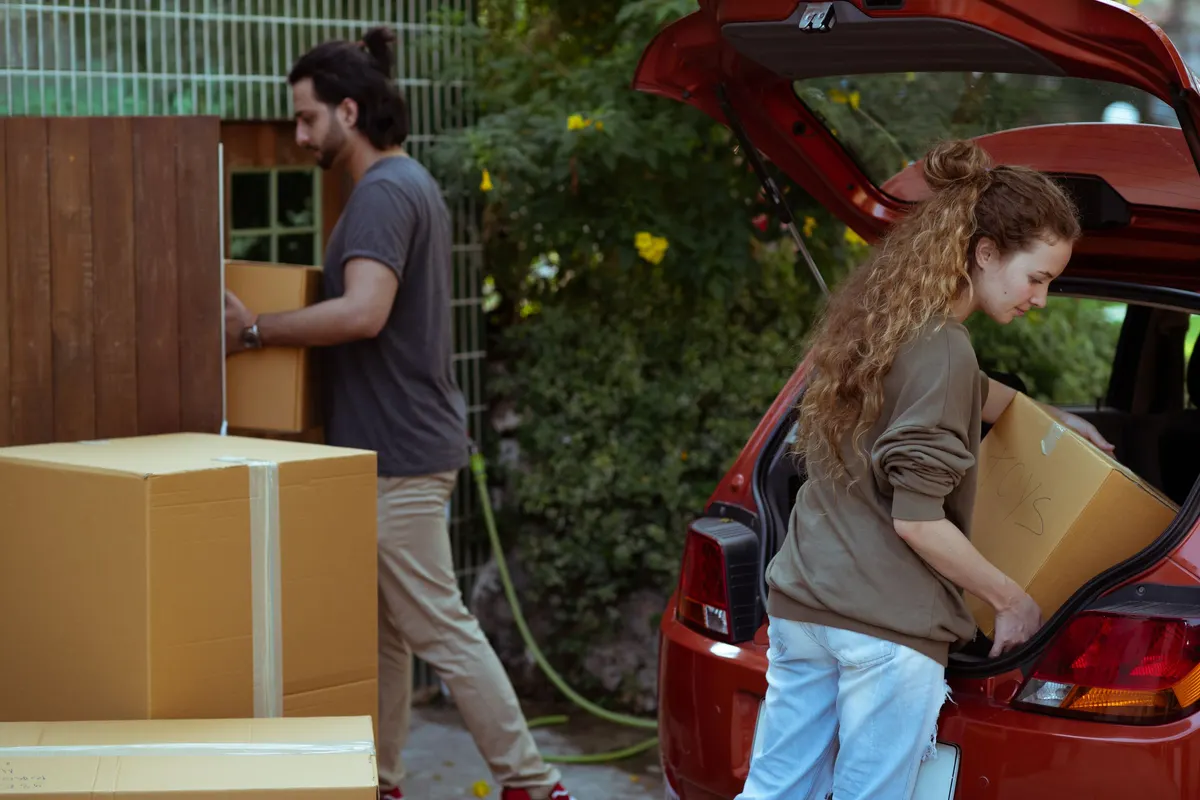
That leaves renting, borrowing or hiring a driver with a pickup. Renting is workable, but price the whole thing rather than the headline rate: the rental itself, fuel, tolls, the deposit, and the fact that you are paying for the hours the vehicle sits outside your building while you carry things down. If you end up hiring a pickup and a driver anyway, you have already bought most of a removal service without the crew.
The step most DIY plans skip: where it can actually go
This is where self-hauling most often falls apart. Getting the items out of the flat is the visible problem; finding a lawful destination for them is the real one.
A building's communal bins are for household waste, not furniture, appliances or a car boot full of a spare room — leaving bulky items beside them creates a problem for the building rather than solving yours. Beyond that, whether a particular facility will accept a private vehicle, what it takes, and when it is open all vary, so the only reliable approach is to confirm the destination before you load, not after. Certain categories never travel in a general load at all: anything with refrigerant, gas canisters, paint and chemicals, and batteries each follow their own route whoever is driving.
A licensed operator is buying you that answer as much as the labour. It is also the difference between a load that is disposed of properly and one that ends up somewhere it should not, which remains the property owner's problem long after the vehicle has gone.
The part nobody prices: the day
A DIY clear-out consumes a whole day, and often a weekend. Between the sorting, the carrying, two or three round trips and the vehicle return, there is very little of the day left. In an apartment, add the lift reservation, which has to be arranged with building management the same way a contractor would arrange it — being a resident does not exempt you from the booking.

For much of the year the heat decides how the day runs, which is why DIY loading in Dubai tends to happen early morning or after dark rather than across the middle of the day. Plan for that rather than discovering it at two in the afternoon.
When doing it yourself genuinely wins
- Small volumes that fit in one car load, especially boxes, bags and light items.
- Villa households with a driveway, a pickup or a large SUV, and no lift or building approval in the way.
- Items going somewhere specific — a buyer, a friend, a donation point — rather than to disposal.
- Clear-outs with no deadline, where the job can be spread over several weekends without cost.
- Anything where you would rather spend the time than the money, and know honestly which you have more of.
When it quietly costs more than it saves
- Large or heavy single items — a wardrobe, a sofa bed, a fridge — where two untrained people risk both the item and themselves.
- Apartments above the ground floor, where every trip runs through a shared lift on someone else's schedule.
- Jobs with a fixed date, such as a handover, where a second trip you did not plan for is a genuine problem.
- Volumes that need three or more car loads, at which point the fuel, the hours and the rental usually overtake a single collection.
- Anything with a disposal route you cannot confirm, which is the point at which convenience stops being the deciding factor.
There is also a cost that does not appear on either side of the ledger until it happens: damage. A scraped lift wall, a gouged door frame or a dropped item is on you when the work is yours, and building management will pursue the resident rather than the contractor.
The middle option most people miss
The decision is not all-or-nothing. The most efficient version of a clear-out is usually split: do the parts that are cheap in effort and expensive in labour yourself, and pay for the parts that are the reverse.
- Sort everything yourself first — nobody else can decide what stays, and sorting is what makes a quote accurate.
- Take the small, saleable and donatable items to their destinations in your own car.
- Bag and stack what is left in one place so the collection is loading rather than searching.
- Book a single collection for the large items, the awkward ones and anything needing a separate disposal route.
Done that way, the paid part of the job is the shortest and cheapest version of itself, and the part you keep is the part that only you could do anyway.
Working out your own answer in five minutes
- Count the large items — anything two people would have to carry. If it is more than two, a car is out.
- Estimate the trips honestly, then add one, because the last trip is always the one that gets abandoned.
- Price the vehicle including fuel, tolls and the deposit, not just the daily rate.
- Confirm where the load can go, and when that place is open. If you cannot answer this, stop here.
- Get one quote for comparison. It costs nothing, and it turns a guess into a decision.
How to choose between them
DIY is a real option, not a fallback, and for a boot-load of boxes it is clearly the right one. What tips it the other way is rarely the volume on its own — it is a large item, a floor above the ground, a deadline, or a destination you cannot confirm. If none of those apply to your job, load the car. If two or more do, the honest comparison is not the quote against nothing; it is the quote against a rented vehicle, a lost weekend and a load you may still be driving around with on Sunday evening.