Some things are simply the wrong shape for a bin. A three-seater sofa, a double wardrobe, an old fridge that finally gave up — none of it fits down a rubbish chute or into a communal container, and leaving it beside the bins usually just moves the problem rather than solving it. Bulky waste collection in Dubai is the service built for those items: one booking, a crew with enough hands to lift the thing, and a vehicle it actually fits in. This guide covers what counts as bulky, how a collection runs, and what shapes the price.
What counts as bulky waste?
Bulky waste is any household item too large, heavy or awkward for normal bin collection — typically anything that needs two people to move or won't fit through a standard doorway in one piece. The category is defined by handling difficulty rather than by weight alone.
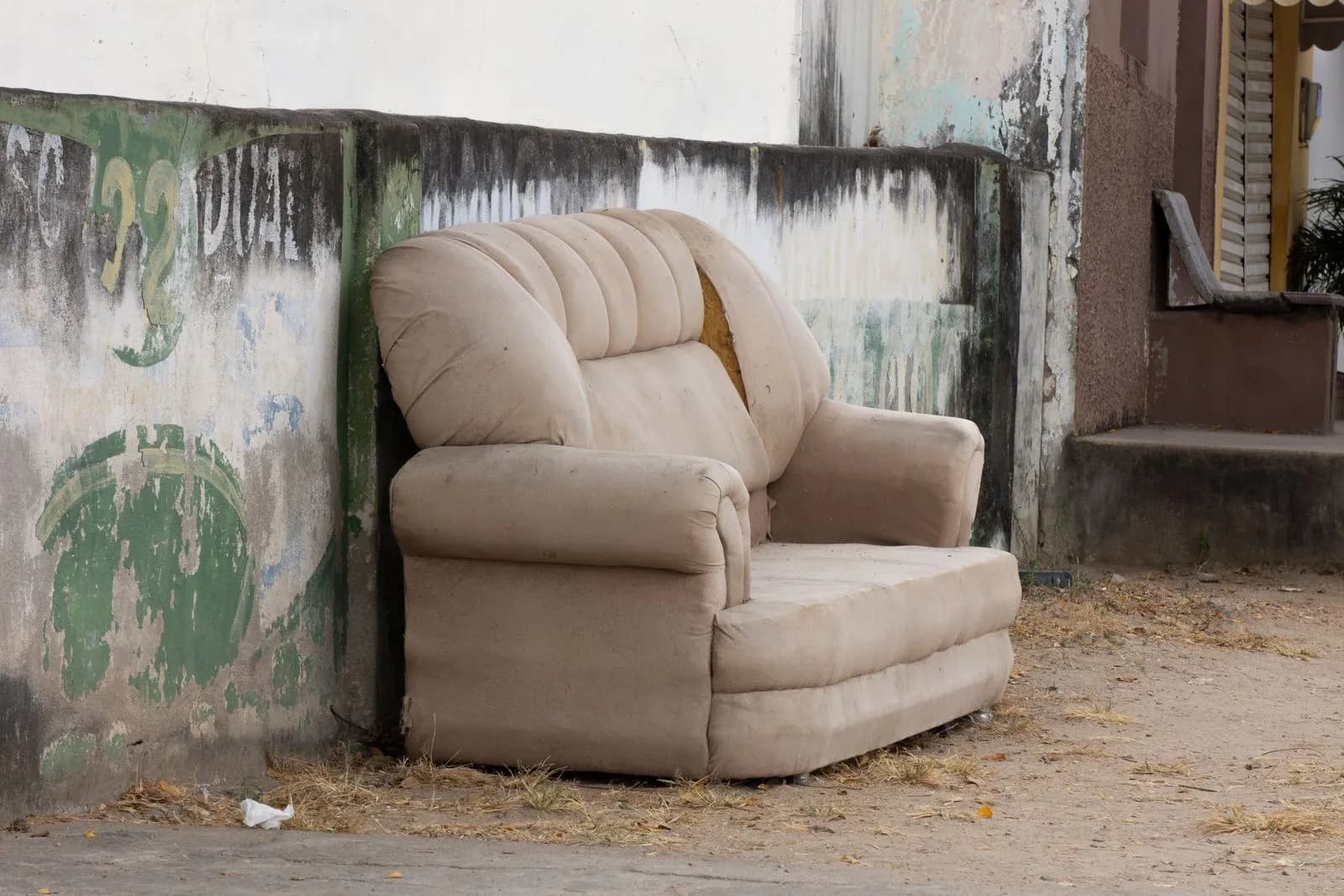
- Sofas, armchairs, mattresses and bed frames.
- Wardrobes, dressers, dining tables and bookshelves.
- Fridges, washing machines, ovens and other large appliances.
- Televisions, exercise equipment and children's outdoor play sets.
- Rolled carpets, large mirrors and oversized suitcases.
A useful test: if you'd have to ask a neighbour for help carrying it, it's bulky. Small bags of general household rubbish aren't — those belong with your building's ordinary waste collection.
Why bulky items can't just go beside the bins
Leaving a mattress or a broken wardrobe next to a communal bin rarely works, and it tends to create three problems at once. Building management usually treats oversized items left in shared areas as an obstruction, since they block access to the bins for everyone else and for the crews servicing them.
- Standard bin collection is built around containers, not loose furniture — a sofa doesn't go into the truck's mechanism.
- Items left in a bin area can sit for days, in the sun, until someone specifically arranges to take them.
- Many buildings hold the resident responsible for clearing what they left, sometimes with a management follow-up.
- Bulky items in a shared corridor or bin room are a genuine fire-exit and access issue, not just an eyesore.

How bulky waste collection works
- Describe the item — what it is, roughly how big, and which floor it's on.
- Send a photo if you can, since a picture settles size and access questions faster than a description.
- Get a price for that specific item or group of items before booking.
- Agree a time slot, and arrange lift access with your building if the item is coming down from a tower floor.
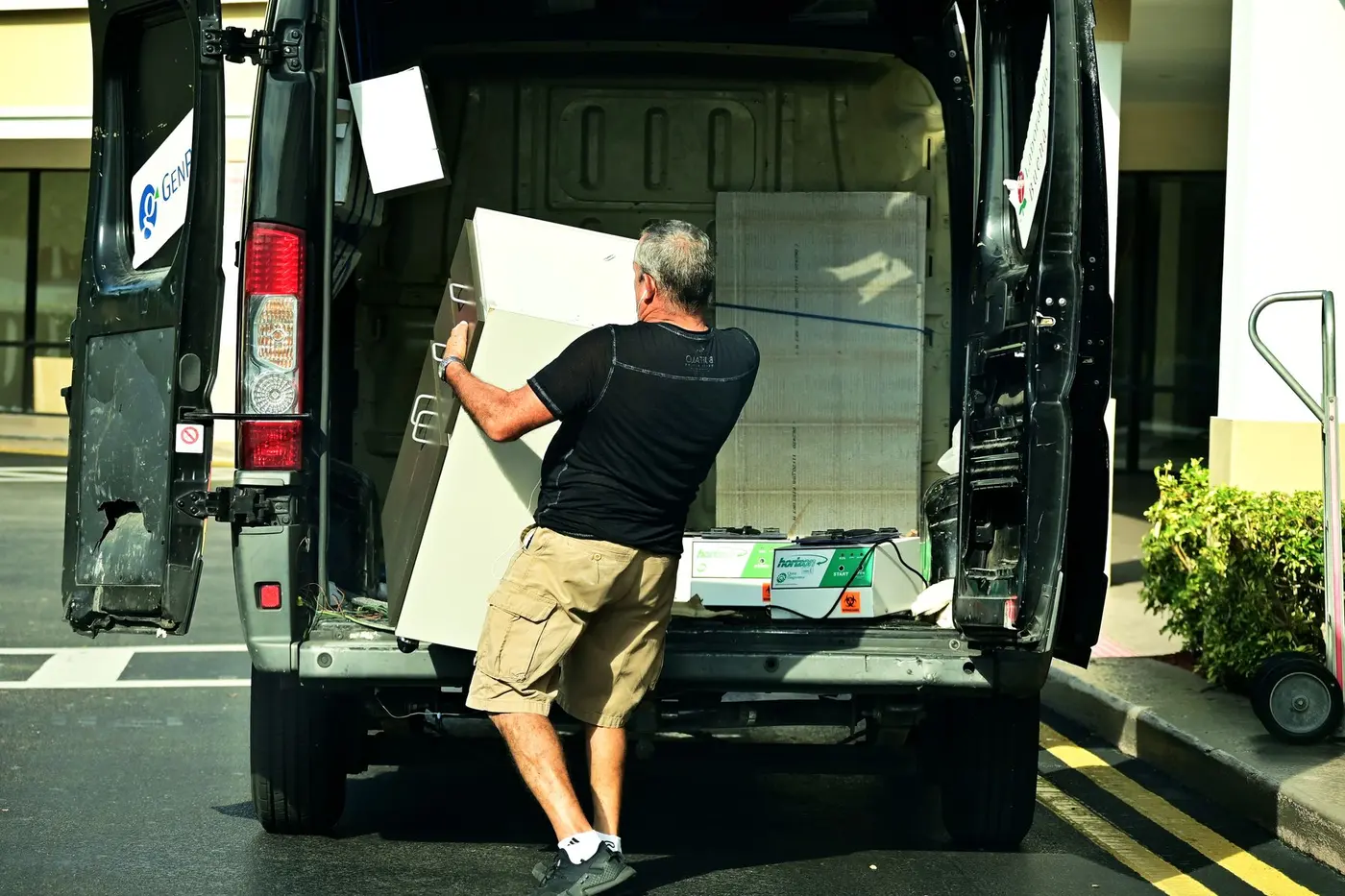
- The crew carries it out, loads it, and takes it away for donation, recycling or disposal depending on its condition.
The route out matters more than the item
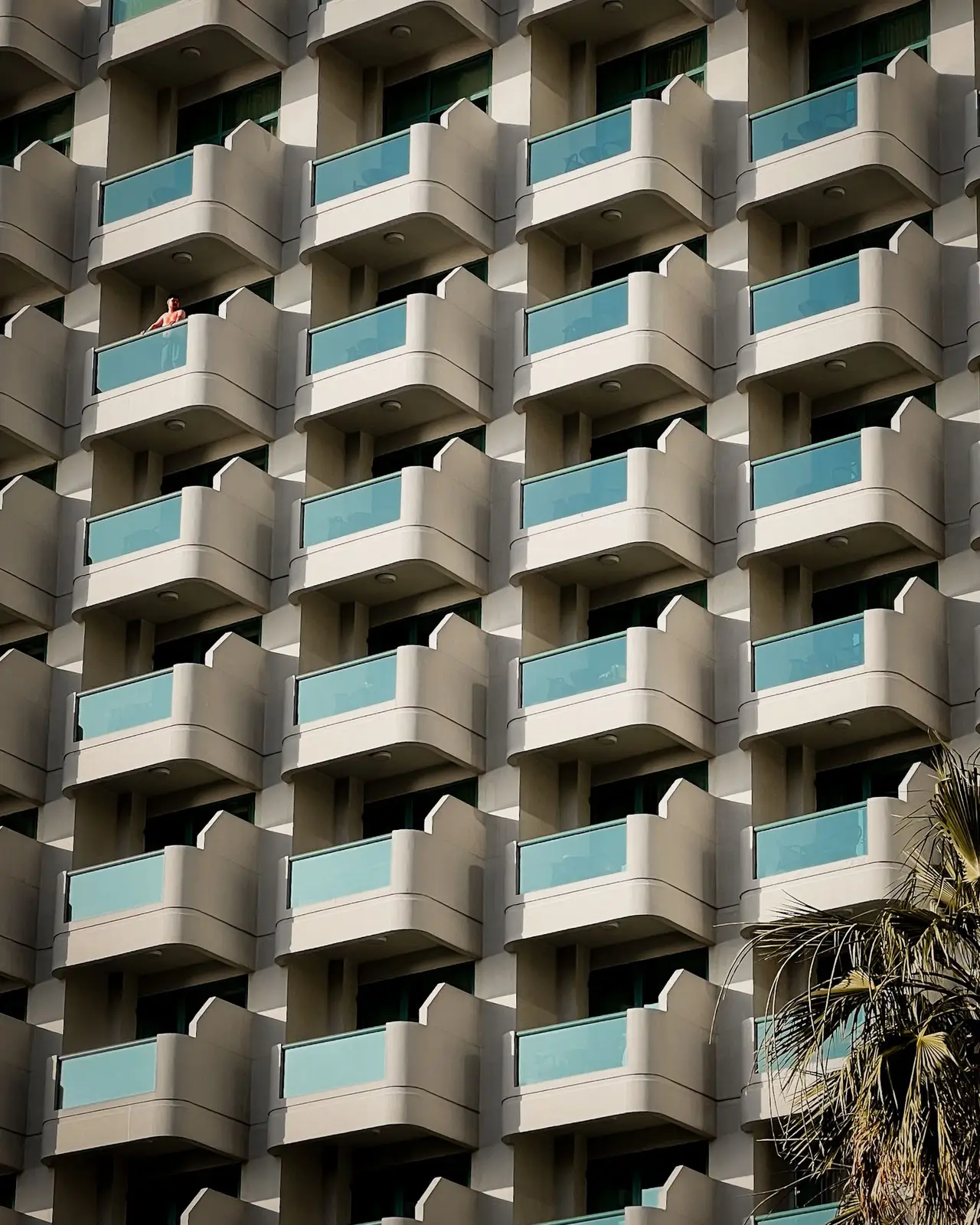
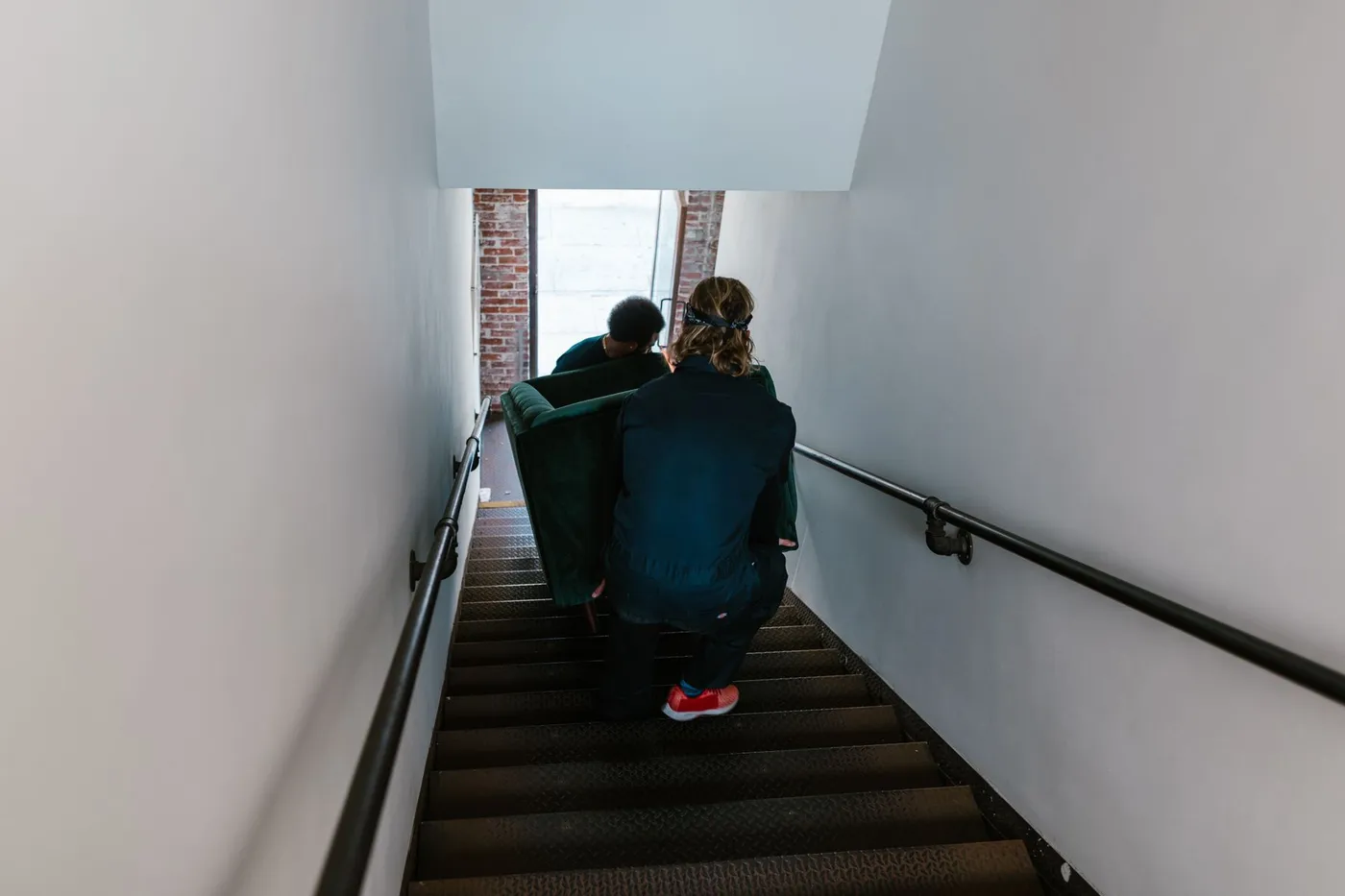
Most of the work in a bulky collection is the journey from where the item sits to where the vehicle is parked. A wardrobe in a ground-floor villa room with a driveway outside is a short job. The same wardrobe on the fourteenth floor of a Marina tower involves a service lift booking, a corridor, a lobby and a loading bay — which is why providers ask about your floor and building before quoting rather than pricing off the item alone.
What shapes the price of a bulky item pickup
Bulky collection is usually priced per item or per small group of items rather than by the truckload, which makes it different from a full clear-out. Four things move the figure:
- Size and weight — a two-seater sofa and a corner suite are not the same job.
- Access — floor level, lift availability and how far the vehicle can park from the door.
- Handling — whether the item needs dismantling to get through a doorway or stairwell.
- Quantity — a second and third item usually cost less each than the first, since the crew and vehicle are already there.
That last point is worth planning around. If you know the mattress is going next month anyway, sending it out with the wardrobe today is almost always cheaper than two separate visits.
Where bulky waste actually ends up
Bulky waste disposal isn't a single destination — what happens next depends on the item's condition. A sofa in good repair and a sofa with a broken frame leave your home the same way and then go to very different places.
- Usable furniture and working appliances are set aside for donation or resale wherever there's a genuine second life in them.
- Metal, wood, cardboard and certain plastics are separated for recycling.
- Fridges and air conditioners need handling appropriate to their coolant, so they're kept separate from general loads.
- What's genuinely beyond use goes to proper disposal rather than being left somewhere convenient.
Getting a bulky item ready
- Empty it — drawers, wardrobes and fridges are much lighter and safer to move once cleared out.
- Defrost a fridge or freezer the night before, so it isn't leaking on the way through your hallway.
- Measure the doorway if you're unsure the item will fit through in one piece, and mention it when you book.
- Clear the route — a corridor with shoes, plants and boxes in it slows a two-person carry considerably.
- Say upfront if the item is on an upper floor with no lift, so the crew arrives with the right number of people.
The bottom line
Bulky waste collection exists because the ordinary waste system was never designed for furniture. Once you know that the item's size matters less than the route it has to travel, the whole thing gets easier to plan: measure the awkward doorway, empty the drawers, group the items you already know are going, and describe the floor and lift situation honestly when you ask for a price. That's genuinely most of it — the lifting is somebody else's problem.