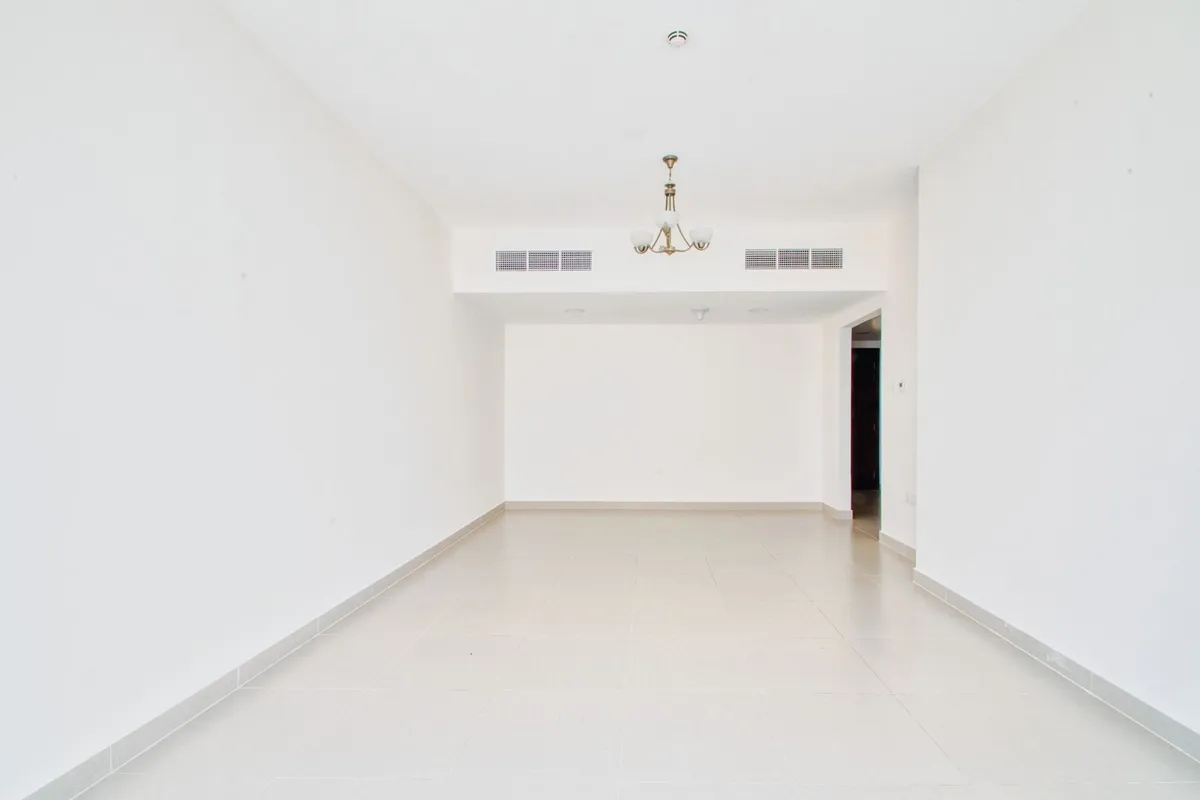
Junk removal for property managers in Dubai is a different job from the same service booked by a resident. The work is rarely one clear-out; it is the same clear-out repeating across a portfolio — a unit vacated this week, a building storeroom next month, a corridor that keeps collecting things nobody claims. This guide covers what changes once clearances become routine: how turnovers actually run, how several units get handled together, and what to settle with a contractor before the arrangement starts.
What changes when clearances are routine
A resident books one collection and never thinks about it again. A property manager is buying a repeatable process, so the things that matter are the ones that only show up on the tenth job rather than the first.
- Predictable response times, so a unit can be scheduled against a handover date rather than hoped for.
- One point of contact who already knows the buildings, the access arrangements and the loading bay rules.
- Crews who arrive in the same condition every time — building management notices an untidy contractor long before a tenant does.
- Invoicing that can be matched back to a unit, rather than a stack of unrelated receipts.
- A straight answer about where a load goes, because it is the manager's name attached to it.
The clear-out between tenants
Turnover is the bulk of the work. A unit is vacated, and between the outgoing tenant's handover and the incoming tenant's move-in there is a window — often a short one — in which the flat has to be emptied, cleaned, repaired and inspected.
The clearance goes first, because nothing else can start around a floor covered in what was left. Cleaners cannot clean a room with a wardrobe standing in it, and a maintenance visit booked into the same morning as a collection turns into two crews queuing in a corridor.
The practical scheduling rule is to collect on the day the keys come back, or the morning after. Booking it earlier risks the tenant still being there; leaving it until the cleaners are due compresses everything that follows.
What tenants leave behind
The contents are predictable enough to plan around before anyone opens the door.
- Furniture that was never going to fit the next place — a sofa, a bed, a wardrobe bought here and not worth shipping.
- Appliances a departing tenant installed and left: a washing machine, a small fridge, a microwave.
- Packing waste from the move itself — flattened cartons, bubble wrap and tape, usually filling more space than the furniture does.
- Half-used cleaning products, paint tins and anything else that cannot travel in a general load.
- Curtains, rugs, light fittings and shelves taken off the walls but never taken away.
- Personal belongings genuinely forgotten in a rushed exit.

That last category needs a decision rather than a vehicle. What happens to a former tenant's possessions is a matter for the tenancy agreement and the manager's own process, and it is worth settling before the crew arrives — it is the single thing most likely to stop a clearance halfway through.
Handling several units at once
Units in the same building should be cleared on the same visit wherever the dates allow. One vehicle, one service lift reservation and one trip through the loading bay covers three flats almost as easily as one, and the saving sits in the building access rather than the loading.
Portfolios spread across several communities work the other way. A villa community and a tower are two different jobs — different access, different vehicle, different pace — and batching them into one morning usually costs more time than it saves.
Where turnover is steady, a standing arrangement is worth more than a keen price on any single job. A crew that has already worked a building knows which lift takes furniture, which entrance the security desk prefers and how long the walk from the bay actually is. Booking itself does not change — a collection is arranged the same way any other is — but the details sit on file rather than being explained again each time.
Common areas, storerooms and parking bays
Beyond the units, buildings accumulate junk of their own. It belongs to nobody in particular, which is exactly why it sits there.
- Building storerooms holding items left by tenants who moved out years ago.
- Corridors and stairwell landings where furniture was parked temporarily and stayed.
- Parking bays holding a car that no longer runs, or the contents of a flat that was never collected.
- Bin rooms overwhelmed by move-in cardboard nobody broke down.
- Old signage, retired gym equipment, replaced lobby furniture and superseded fittings.
These jobs are easier to schedule than a turnover because no handover date is running against them, and harder to scope because nobody knows what is in the room until it is opened. A quick look and a few photographs before booking are worth more here than anywhere else.
Invoicing and records
When a cost has to be recharged or reconciled against a unit, the invoice matters nearly as much as the work.

Ask what the invoice will show before the first job rather than after it. A line per unit, carrying the address or unit number, is the difference between a clean recharge and an afternoon spent reconstructing which flat a charge belongs to. The same applies to a monthly summary running across several buildings.
It is also worth agreeing what comes back alongside it: photographs of the emptied unit, the date and time of the collection, and confirmation of what was taken. None of that is unusual, but a contractor who has never been asked will not produce it by default.
What to settle before the first job
- Which buildings and communities are covered, and who the on-site contact is at each one.
- How much notice a turnover clearance needs, and what happens when a handover date moves.
- What the contractor will not take, so it never comes up mid-job in a corridor.
- Who arranges the service lift and the loading bay, and how far ahead that has to happen.
- How the invoice is broken down, and what it references — unit, building or work order.
- What is provided as a record: photographs, timings and confirmation of disposal.
The difference between a contractor a property manager keeps and one they replace is almost never the price of a single clearance. It is whether the third unit of the month runs like the first — the same window met, the same invoice format, the same crew that already knows which lift to use. Settle the access, the paperwork and the exclusions once at the start, and every clearance after that becomes a date in the schedule rather than a job to manage.