"Rubbish" is one of those words that covers almost everything and pins down almost nothing. A broken lamp, a bag of garden clippings, half a tin of leftover paint and a stack of soggy cardboard could all fairly be called rubbish, yet they don't all leave your home the same way. Before you book anything, it helps to know what a rubbish removal service actually takes, what it doesn't, and what happens between your call and the crew driving off with it. That's what this guide sets out to answer.
What counts as rubbish removal in Dubai
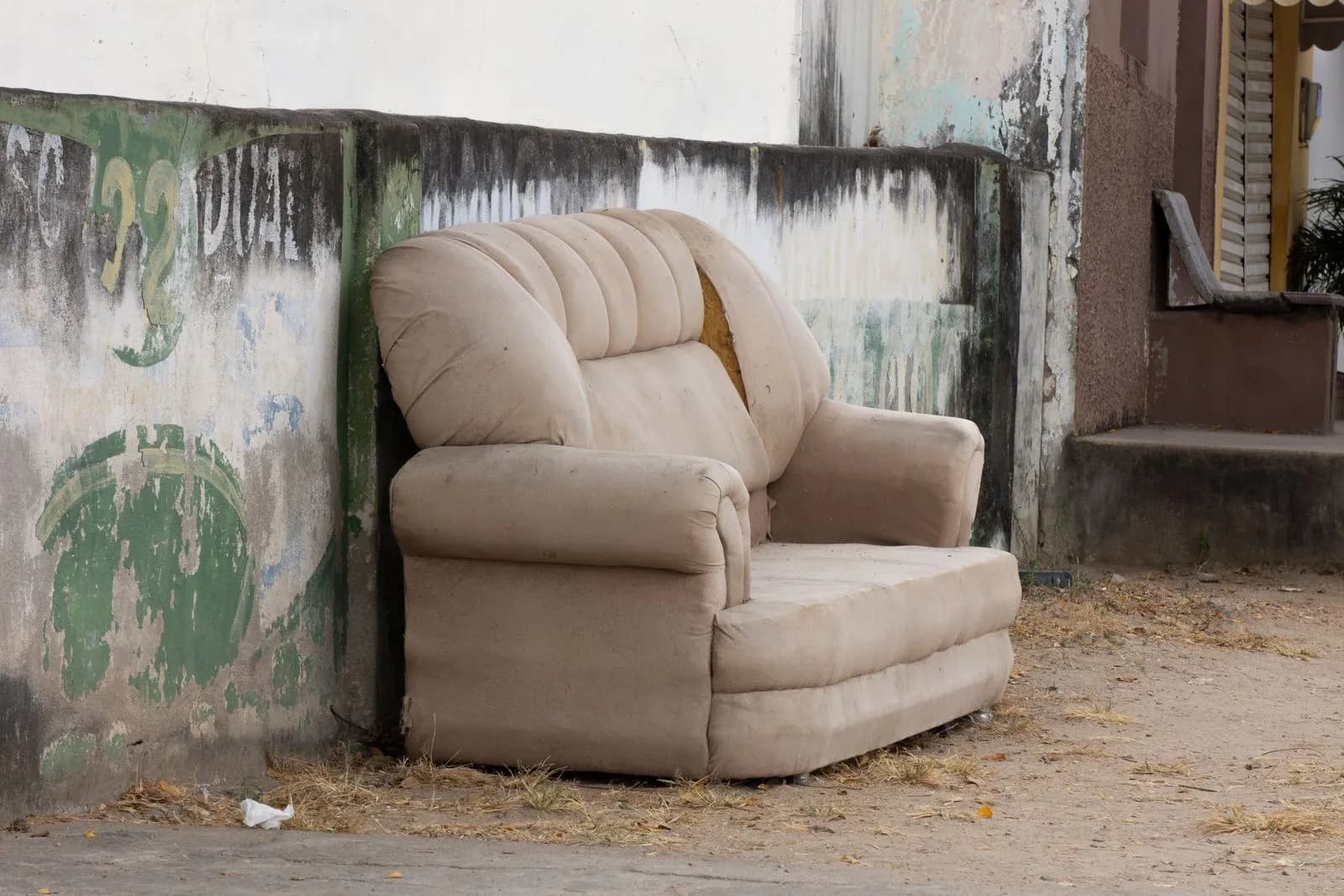
Rubbish removal, in practice, means clearing general household or light commercial waste that's outgrown your bins — a mix of ordinary discarded items rather than one specific category. It sits apart from single-category services built around one type of item, such as furniture collection, appliance pickup or e-waste recycling. If what you're clearing is mostly mixed and general, rubbish removal is the right call. If it's dominated by one thing — a sofa, a fridge, a pile of rubble — a category-specific service usually gets a better result.
The main types of rubbish a removal service collects
"Rubbish" is broader than most people assume. In and around Dubai homes, it usually falls into a handful of recognisable groups.
Household and general mixed rubbish
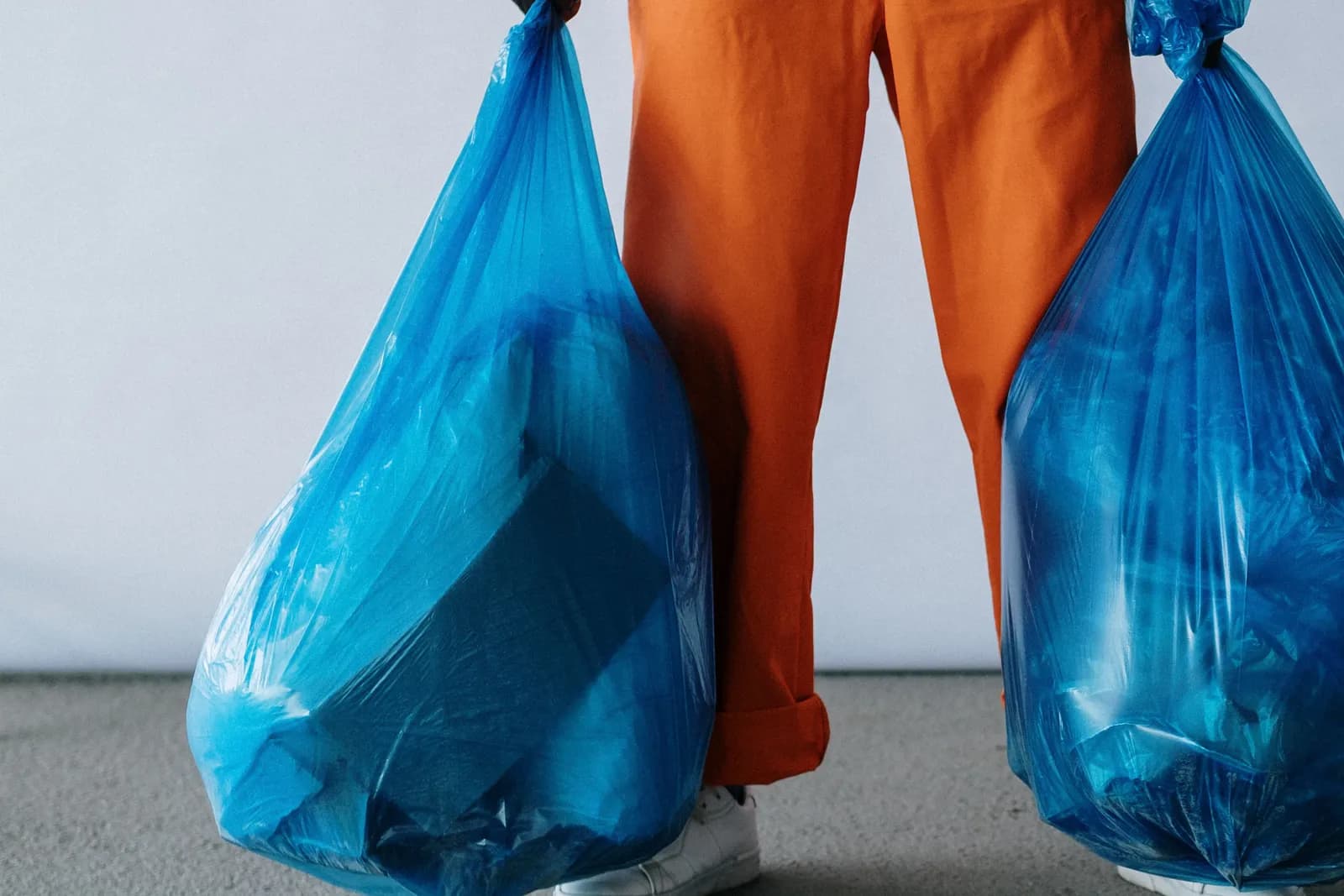
This is the core of most bookings: bagged waste, old packaging, broken household odds and ends, and general clutter that's built up faster than the bin room can take it. It doesn't need to be sorted into neat categories before a crew arrives — that's part of the job.
Garden and yard waste
Villa gardens and terrace planters generate their own kind of rubbish — cut branches, dead plants, soil from repotting, and general trimmings. It's easy to forget this counts as rubbish too, since it doesn't look like household waste, but it's one of the more common reasons villa residents book a collection.

Bulky household items that aren't quite furniture
Not everything bulky is a piece of furniture. Broken shelving units, old exercise equipment, storage crates, curtain rails and similar odds and ends often get lumped in with a general rubbish clearance rather than treated as their own category.
Light renovation and DIY leftovers
A small DIY job — repainting a room, swapping out fixtures, a weekend of shelving projects — tends to leave behind offcuts, empty tins, packaging and general debris. In small quantities, this is usually handled as part of a standard rubbish collection rather than a full construction debris removal, which is built for larger-scale renovation and demolition waste.

What isn't included in standard rubbish removal
A few things sit outside a typical rubbish booking. Hazardous materials — chemicals, gas canisters, certain batteries — need specialist handling rather than a general collection. Large-scale construction or renovation debris from a full remodel is its own category, usually quoted separately given the volume and weight involved. And electronics, appliances and furniture are often better handled through their dedicated routes, since they follow different disposal and recycling paths than mixed general waste. If you're unsure which bucket your items fall into, it's worth describing them when you enquire rather than guessing.
How the rubbish removal process actually works
The steps are broadly the same across most providers, even if the details vary:
- Enquiry — you describe what needs clearing, ideally with photos and a sense of volume.
- Quote — based on that information, you're given a price and, where needed, a time slot.
- Booking — a collection window is confirmed, along with any access details the crew needs.
- Arrival and assessment — the crew checks the job matches what was described before starting.
- Loading — items are carried out and loaded, with care taken around floors, walls and lifts.
- Sorting and disposal — recyclable material is separated where possible, and the rest taken to proper disposal facilities.
Knowing this sequence in advance makes the actual booking faster, since you already know what information a provider will ask for.
Access considerations across Dubai homes
Where you live changes how the visit runs more than what you're getting rid of does. Apartment towers usually mean coordinating a service lift and a set collection window, since crews are working around building management schedules. Villas tend to be simpler on access — a truck can usually pull up directly — but often produce more rubbish per visit once gardens, garages and storerooms are factored in. Either setting works fine; it just helps to mention it when you book.
How to prepare before the crew arrives
- Group everything in one accessible area rather than spread across several rooms.
- Flag anything hazardous or unusual in advance so it can be handled correctly.
- Give a realistic sense of volume so the right vehicle turns up.
- Mention floor, lift access or gate codes if the crew will need them.
- Separate anything you're keeping clearly, so nothing leaves by mistake.
What separates a good rubbish removal service from a van and a driver
Anyone with a vehicle can haul rubbish away. What matters is where it ends up and how the job is run — recyclable material genuinely separated rather than binned with everything else, floors and walls protected during loading, and a quote that reflects what you actually described rather than shifting once the crew arrives. Clear communication about timing and access matters just as much as the collection itself.
The bottom line
Rubbish removal covers more ground than the word suggests — general household waste, garden trimmings, odd bulky items and light DIY leftovers all fall under it, while furniture, appliances, e-waste and major renovation debris usually don't. Once you know which category your clear-out falls into and what the booking process looks like, arranging a collection in Dubai is a straightforward, predictable job rather than a guessing game.