Liability on a collection day is the question of who pays when something gets damaged while your items are being carried out. Junk removal insurance and liability in Dubai usually divides three ways: the company covers what its crew does, you cover the decisions you made before they started, and your building covers the areas everyone shares. This guide sets out where each line actually falls, why the building matters more than most residents expect, and what to do in the first ten minutes if something goes wrong. Checking that a company holds a trade licence and current cover is a separate step before booking — this guide starts from the point where you have already booked one that does.
What liability actually means on the day
Liability is the question of who is responsible. Insurance is the mechanism that pays once that question is settled. The two are related but not interchangeable, and confusing them is why so many post-collection conversations go in circles.
A company can be fully insured and still not be responsible for the thing you are upset about. It can also be genuinely responsible for a scratch and handle it badly. Most disputes after a collection are not really arguments about money — they are arguments about which of the three parties present was supposed to be looking after the thing that got damaged.
What the company is normally responsible for
A junk removal company is normally responsible for damage its crew causes while carrying out the work you booked. In practice that covers most of what can realistically go wrong on the day.
- Scratches, dents and scuffs to walls, door frames, skirting and flooring made while items are carried out.
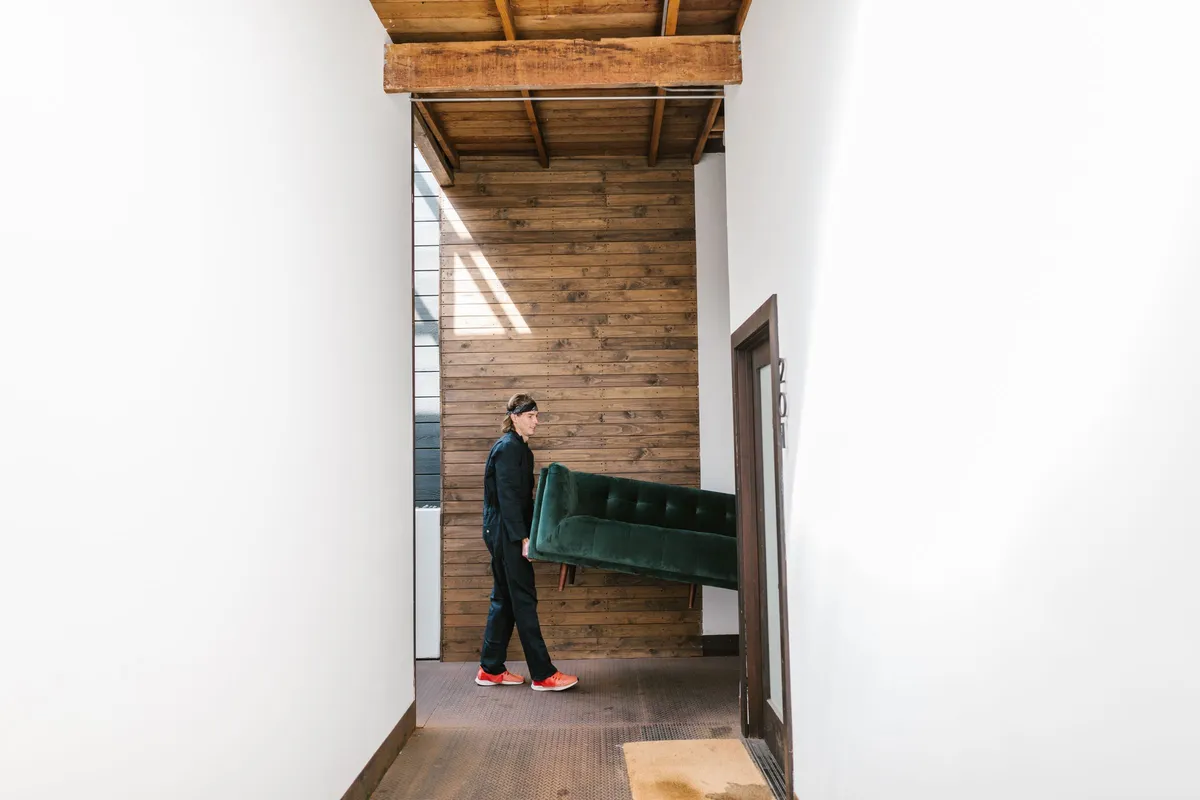
- Damage to a lift car, lobby or stairwell caused by the crew or by something they were handling.
- Damage to furniture and fittings you are keeping, if they were knocked while something else was moved.
- Anything caused by how the load was stacked or secured on the vehicle.
- Anything that happens because a clear instruction you gave in advance was ignored.
The last point is worth stating plainly, because it is where a reasonable company and an unreasonable one separate. If you said the dining table stays and the dining table went, that is not a grey area, and a business that treats it as one is telling you something useful about itself.
What stays your responsibility
You remain responsible for the decisions you made before the crew started, and for the condition the property was already in when they arrived.
- Anything you pointed at and approved for removal, including items you later wish you had kept.
- Damage that was already there — a chipped tile, a marked wall, a door that never closed properly.
- Belongings left inside drawers, wardrobes, or down the side of a sofa cushion when the item was taken.
- Access arrangements you agreed to handle yourself, such as reserving the service lift or clearing a parking space.
- The value of anything in the pile you did not mention.
That final item catches people out more than any other. A removal crew is being paid to end things responsibly, not to preserve them, and nothing in a general load is handled as though it were fragile unless someone says so. If a piece in the pile is going to a buyer rather than to disposal, it should not be in the pile.
Your building is the third party most residents forget
In a Dubai tower, the lift, corridor, lobby and loading bay are not yours. Damage to any of them is a separate conversation from anything that happens inside your front door, and it involves someone who was not in the room.
This is the real reason building management wants a company's documents before approving a collection — it is protecting a shared asset it would otherwise have to repair itself. Some buildings also hold a refundable deposit against a service lift booking. Whether yours does, and what it covers, is worth asking your management directly rather than assuming, because practice varies from building to building.
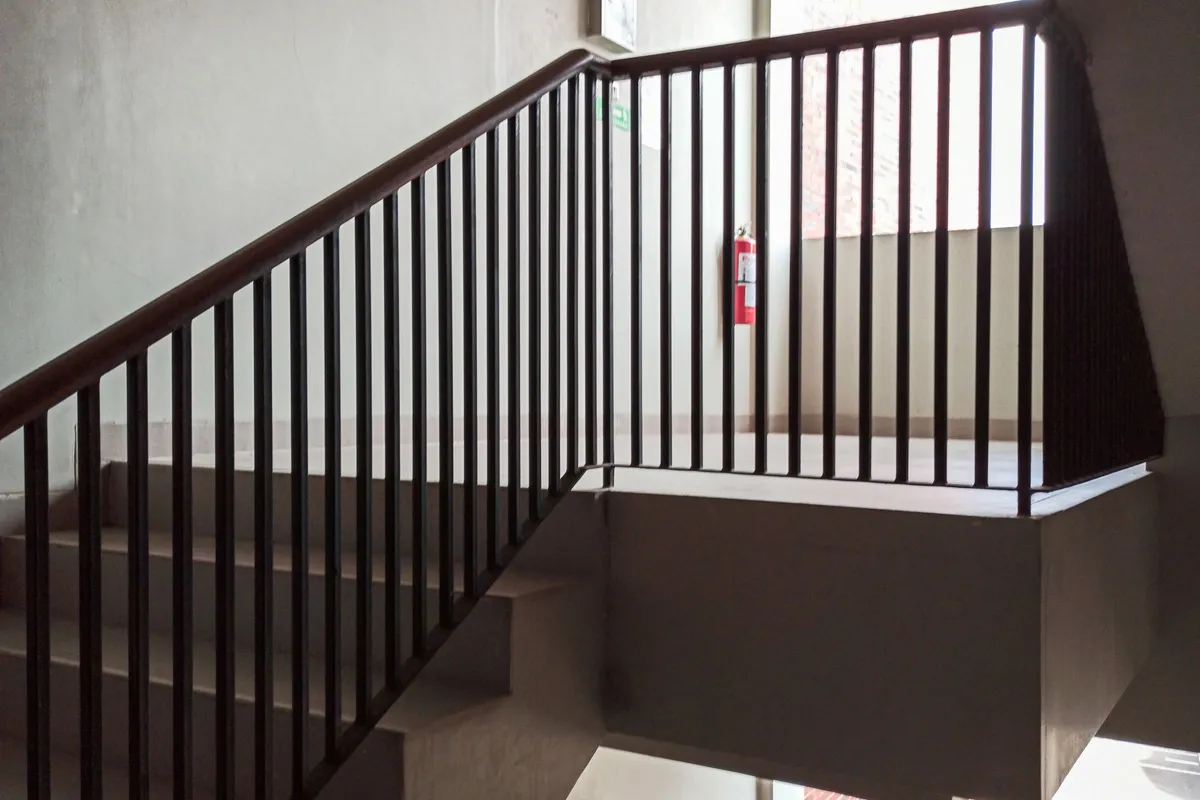
The practical consequence is that a scratch in a lift car can involve three parties instead of two: the company that caused it, you as the resident who booked the access, and the management that owns the surface. A registered company with current cover turns that into an exchange of documents. An informal crew with no paperwork leaves you standing between the building and someone who has stopped answering the phone.
Villa communities are simpler here. With no shared lift car and no loading bay, damage tends to be confined to your own gate, driveway and walls, which puts the conversation back between you and the company alone.
The loss insurance rarely fixes: items taken by mistake
Insurance is built to repair damage, not to recover something that has already left in a mixed load. Once a truck is loaded, your items are stacked against other people's and the vehicle moves on to a disposal point. Reversing that is not realistic in the way people hope.
It happens most often with a box that looked like all the other boxes, a bag left too close to the pile, or a piece of furniture someone else in the household had not agreed to part with. None of those are insurance problems. They are labelling problems, and prevention is the only reliable protection.
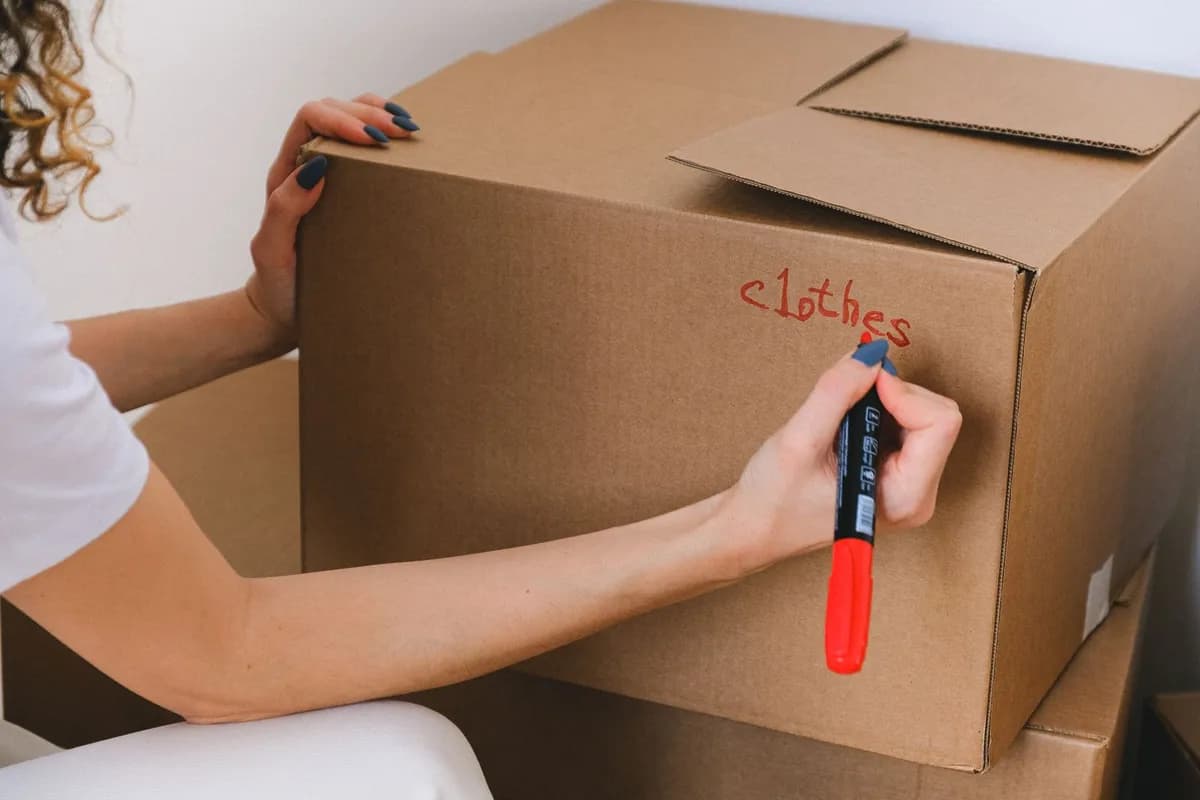
- Move anything that is staying into a different room, not just a different corner of the same one.
- Mark anything staying that cannot be moved — a strip of tape or a sheet of paper is enough.
- Open every drawer, cupboard and sofa bed before the crew arrives.
- Tell the crew out loud which room they are clearing and which they are not.
- If other people live there, make sure they have seen the pile before collection day.
If something does get damaged
Report it before the crew leaves. Almost every other part of resolving damage gets easier if that one step happens, and much harder if it does not.
- Say something immediately, while the crew and the item are both still in front of you.
- Photograph the damage close up, and again from far enough back to show where it is.
- Ask the crew lead to acknowledge it — a note on the job sheet, or a message you both keep a copy of.
- Contact the company through the channel you booked on, not through an individual's personal number.
- If a shared area is involved, tell building management the same day rather than waiting for them to find it.
A legitimate company will not be thrown by any of this. It has a process, because damage occasionally happens to everyone who moves heavy objects through narrow spaces for a living. What you are testing is not whether the crew is embarrassed, but whether the business behind them responds like a business.
Most collections finish with nothing to report, which is exactly why responsibility is worth settling before it matters rather than during an argument in a hallway. Know which items are yours to protect, say clearly what is staying, and treat the lift and lobby as someone else's property you have borrowed for an hour. If something does get marked, say so while everyone is still standing there — that single habit resolves more of these situations than any policy document.